What Are Hypopressives?

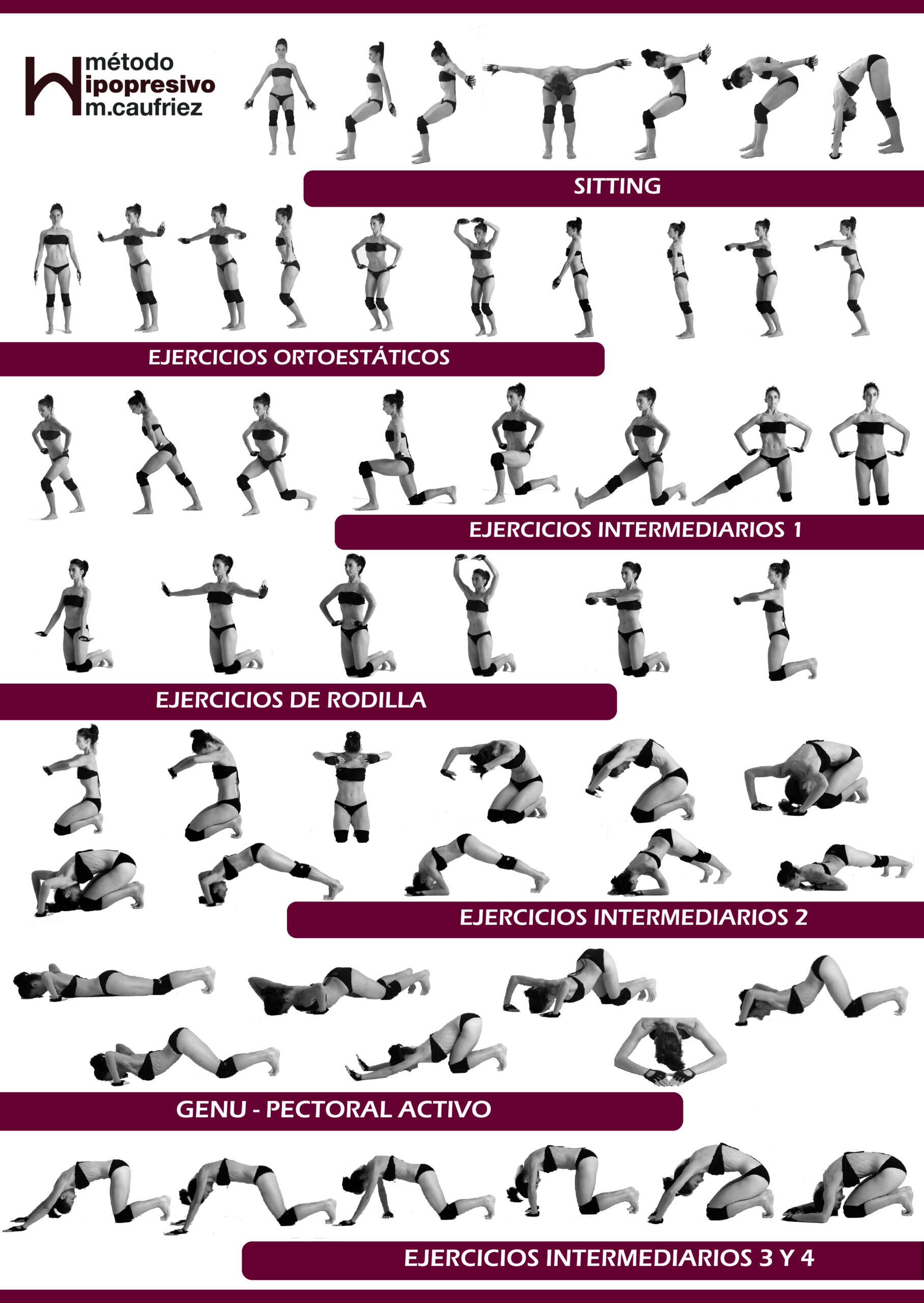
Dr. Marcel Caufriez’s Hypopressive Method is based on postural and breathing exercises designed to reduce pressure within the abdomen and pelvic floor. Through specific positions and controlled diaphragmatic breathing, it aims to reflexively activate deep core muscles, improve posture, optimize respiratory function, and reinforce lumbopelvic stability.

The method is structured around three main components: Hypopressive Abdominal Gymnastics, Diaphragmatic Aspiration Techniques, and Tensional Transfer Techniques. Together, these provide a safe and comprehensive way to train the body. It is particularly indicated for the prevention and treatment of postural, abdominal, and pelvic dysfunctions, with scientific support and clinical application in physiotherapy and rehabilitation.

Scientific Basis and Physiological Explanation

Hypopressives are based on the interplay between breathing, posture, and intra-abdominal pressure.

The method combines apnea (breath-holding) with specific postures to create a vacuum effect inside the abdominal cavity.

This leads to a natural lift and activation of key deep muscles—such as the transverse abdominis, pelvic floor, diaphragm, and multifidus—all essential for spinal stability and internal health.

What makes hypopressives unique is their focus on reflexive activation, training the body to respond automatically, even without conscious effort.

Differences with Kegels

Kegels have long been used to strengthen the pelvic floor, especially in
postpartum recovery and urinary control. While effective in some cases,
they focus on isolated, voluntary contractions.

Hypopressives go further. They don’t just strengthen – they retrain the
entire core system to function as a unit, using posture and breath to create
deep, automatic engagement without pressure or strain, and go way beyond kegels.

Feature / Benefit

Hypopressives

Kegels

Hypopressives
Kegels

Engages entire core and postural system

Activates pelvic floor reflexively

Based on breath, posture, and pressure regulation

Improves diaphragm mobility and breathing

Supports organ prolapse recovery

Improves bladder control

Reduces intra-abdominal pressure

Supports posture, back health, and core stability

Suitable for men and women alike

Helps men with erectile dysfunction

Improves sexual wellbeing

Main Benefits by Category

Postural health

Realign your spine and improve how your body holds itself - naturally and sustainably.

Breathing efficiency

Mobilize the diaphragm and improve lung capacity, reducing tension and fatigue.

Core strength and stability

Strengthen deep muscles that support your lower back, improve balance, and reduce pain.

Pelvic floor wellness

Enhance function and tone, helping with incontinence, pressure management, and intimacy - for both

Mind-body connection

Improve focus, reduce internal tension, and reconnect with your body through conscious breathwork.